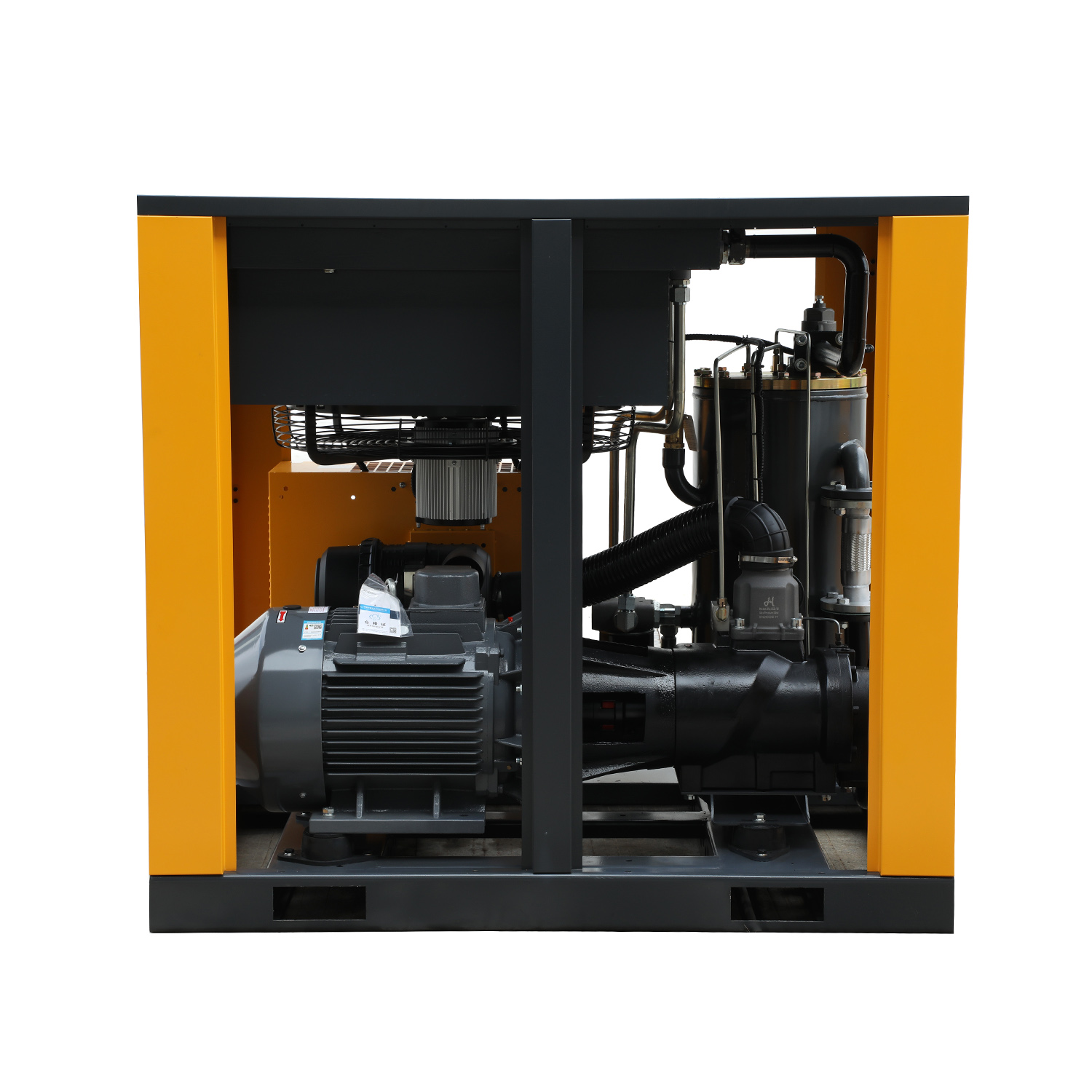
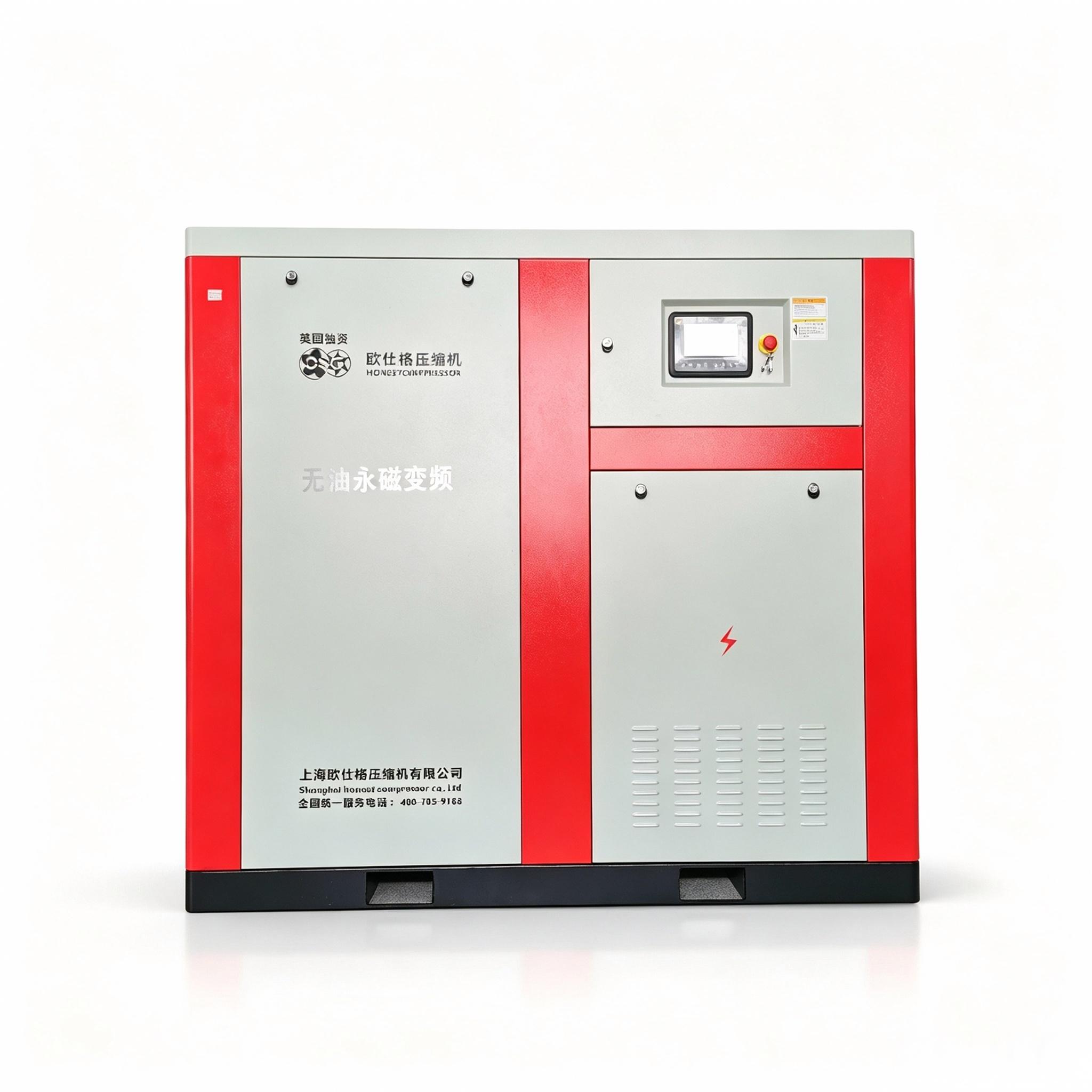
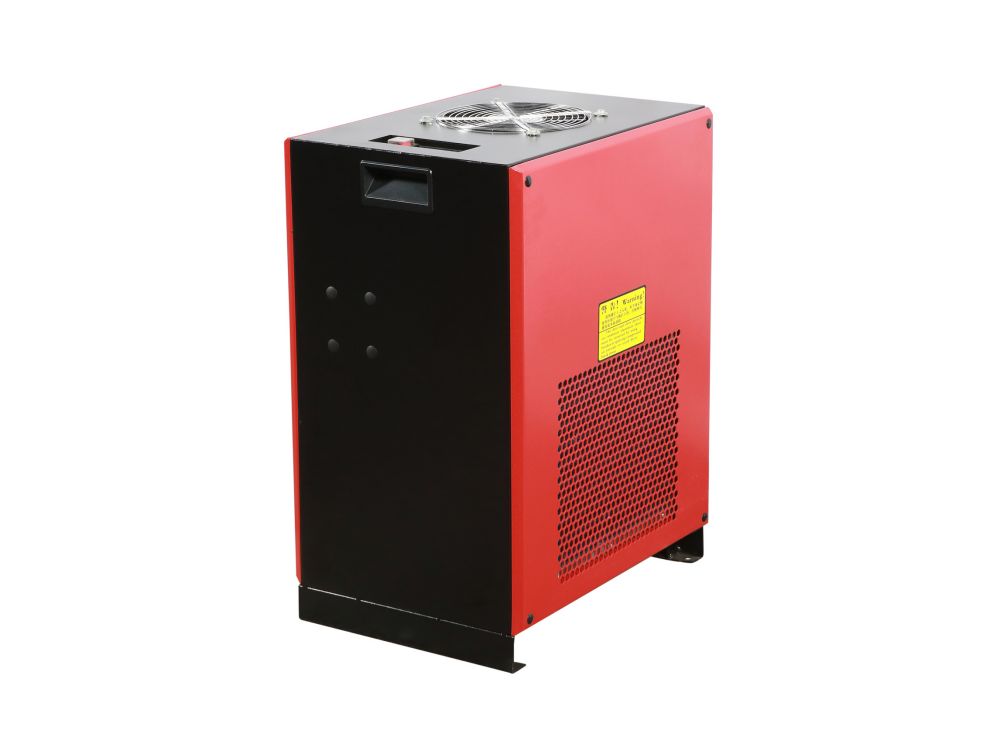
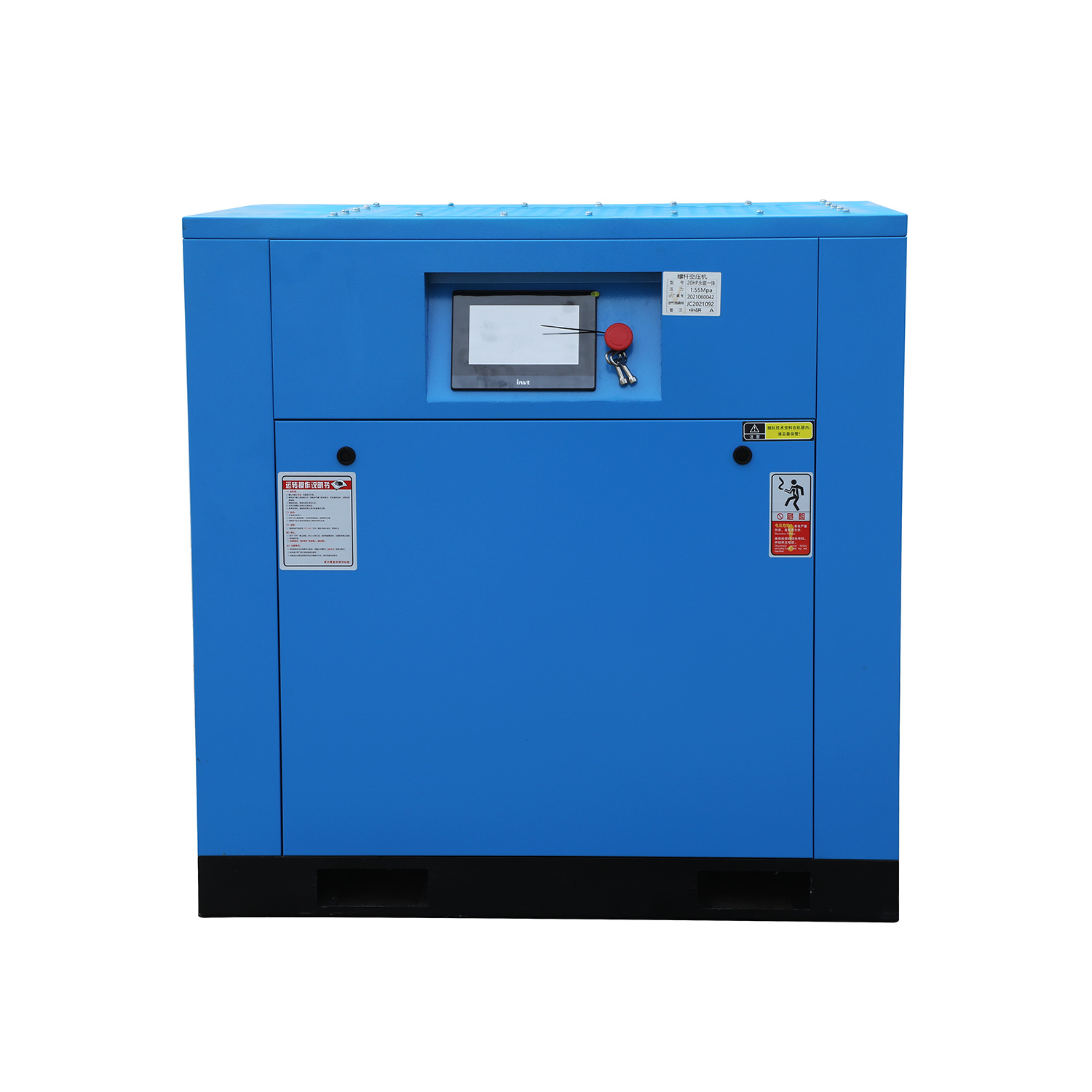
Featured Precision Compressors for Metal Machining Workstations
Engineered to maintain strict isobaric stability, eliminate condensation, and minimize micro-particulate contamination across multi-axis CNC spindles and metal fabrication machinery.
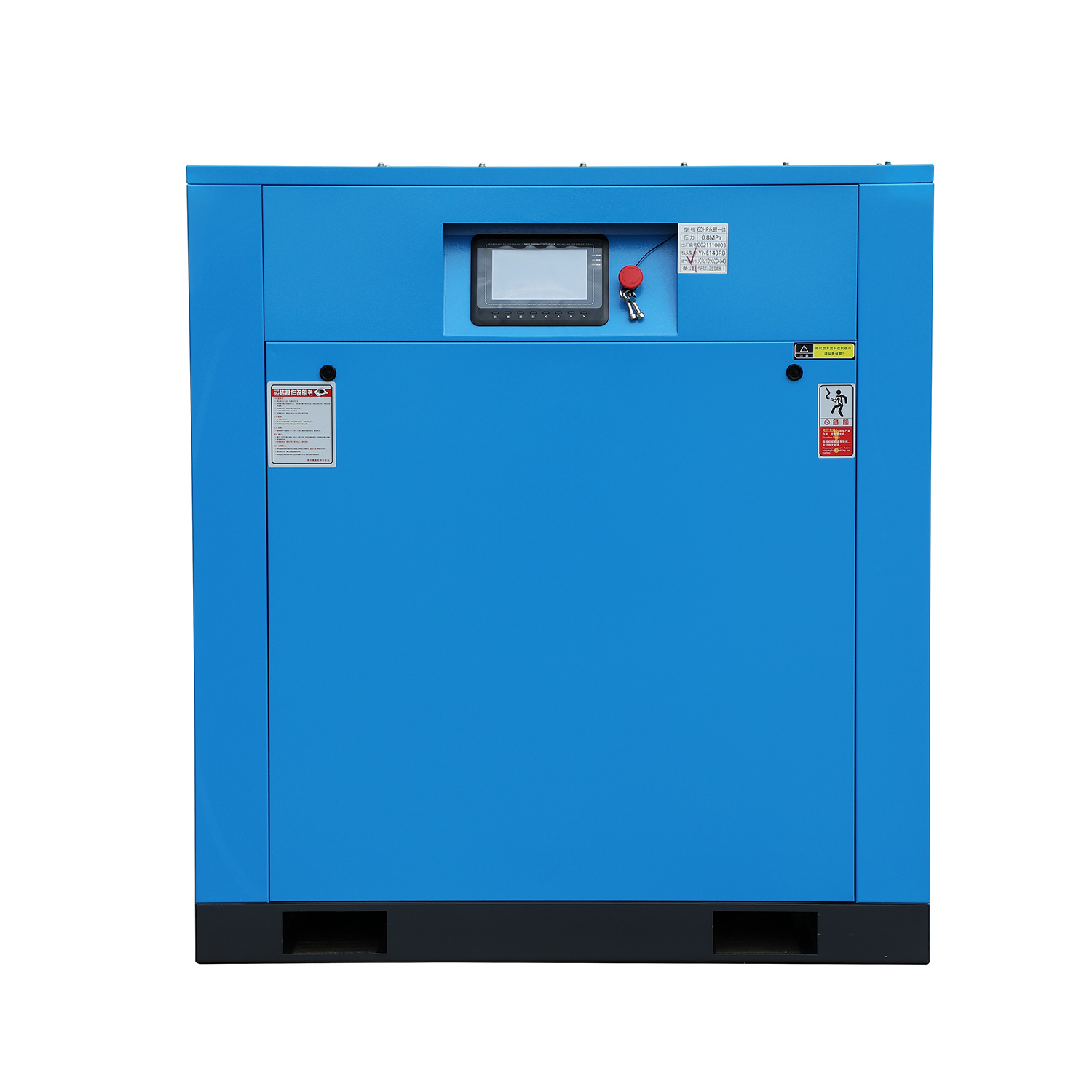
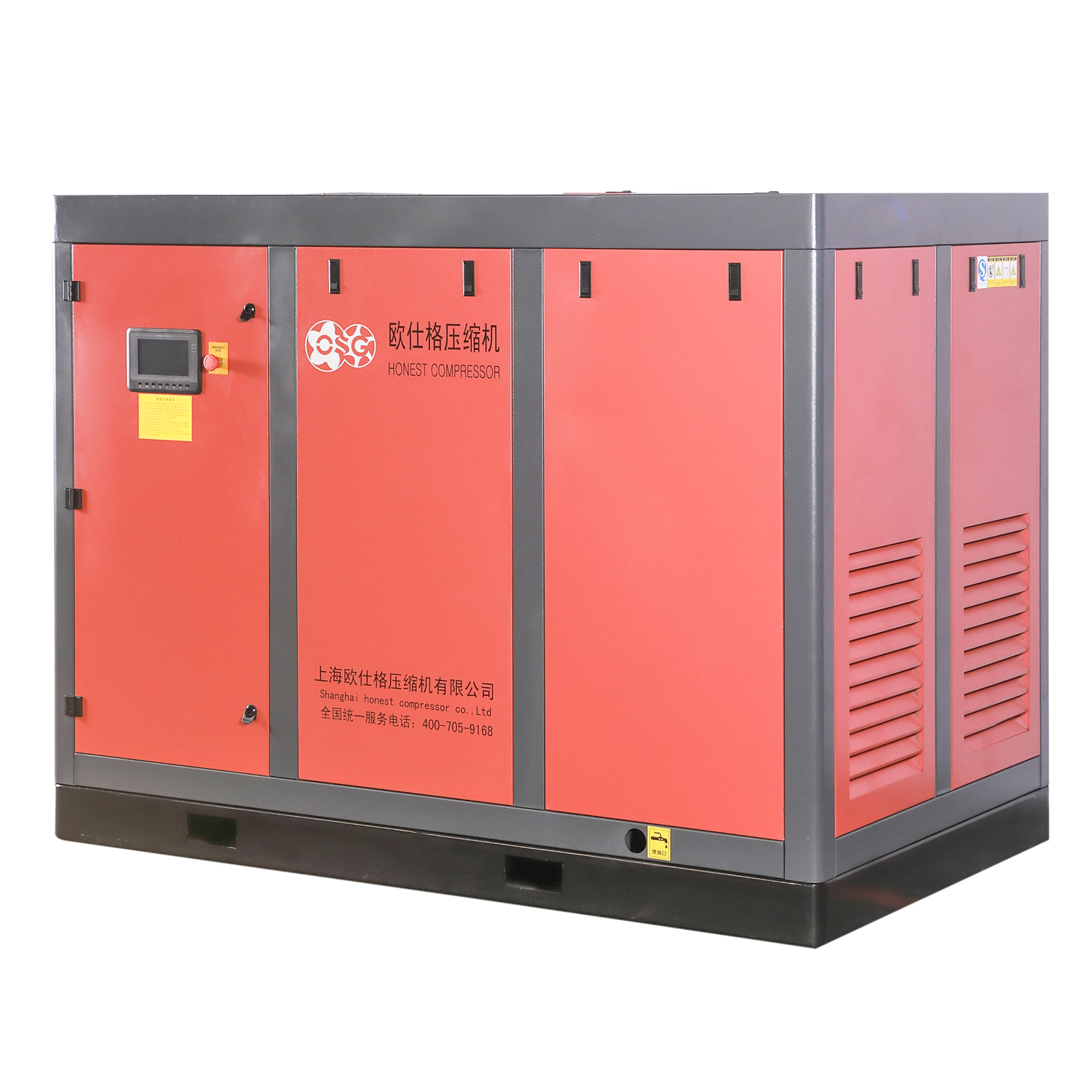
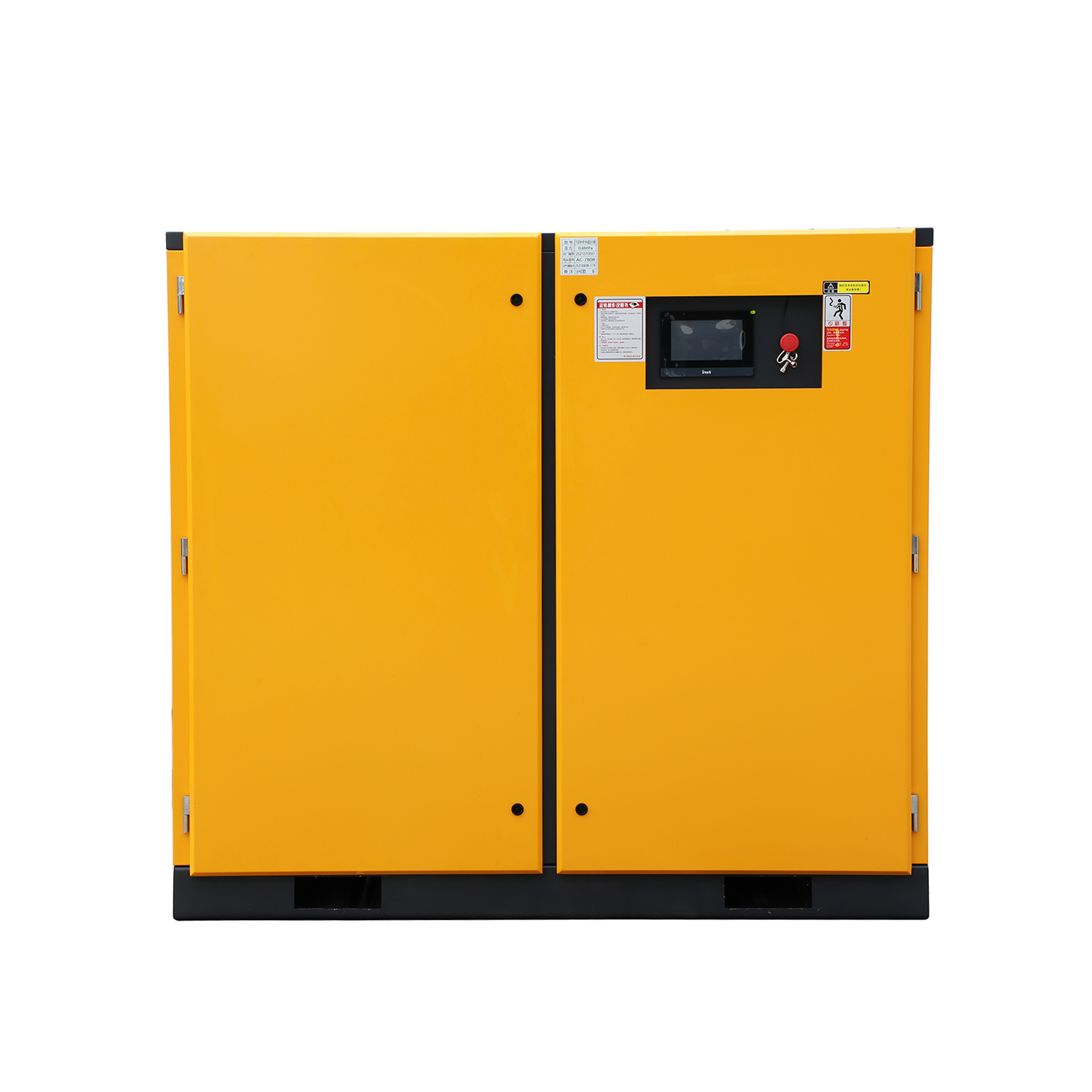
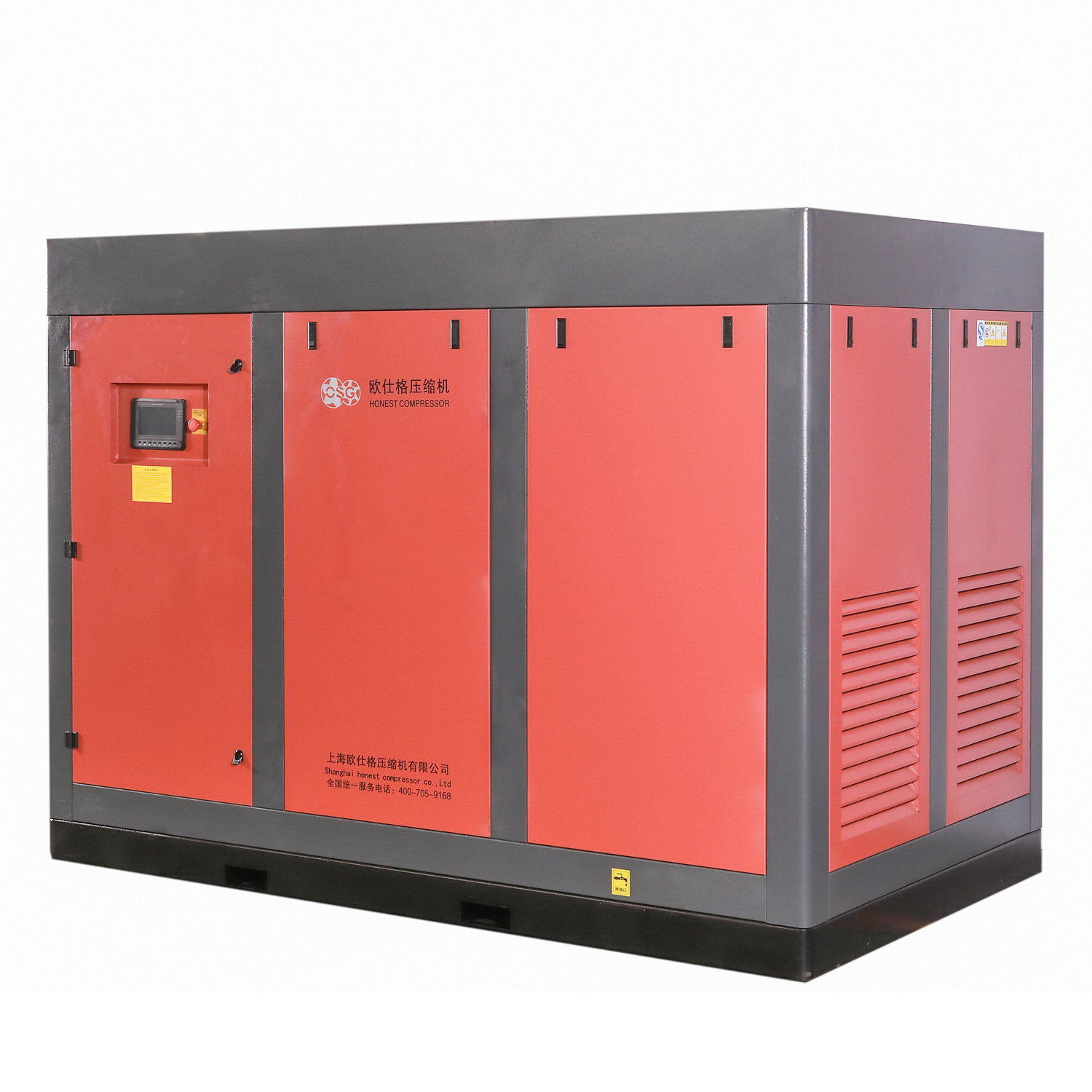
The Critical Role of Compressed Air Distribution in CNC & Metalworking
Recognized globally as the fourth utility, compressed air governs operational precision, lifecycle longevity, and energy sustainability in precision machining and metal fabrication plants.
In modern industrial manufacturing, metal processing facilities and computer numerical control (CNC) machining centers represent some of the most demanding operational environments for pneumatic energy. High-speed multi-axis CNC mills, vertical machining centers (VMC), horizontal turning lathes, automated wire-EDM setups, and high-power fiber laser cutting machines all rely on a continuous, pulsation-free supply of clean, dry, and regulated compressed air.
Unlike standard assembly lines, CNC machining demands micro-level accuracy where thermal expansion, mechanical vibration, and particulate contamination directly translate into scrapped workpieces, premature bearing failures, and expensive downtime. A robust air compressor distribution network ensures that pneumatic actuators, automatic tool changers (ATC), spindle air seals, workpiece positioning clamps, and minimum quantity lubrication (MQL) systems receive clean compressed air without unexpected pressure drops.
Pressure fluctuations greater than ±0.3 bar (4.35 psi) during peak tool change cycles can trigger safety interlocks on modern CNC control boards. Implementing a ring-main distribution network backed by Variable Frequency Drive (VFD) rotary screw compressors guarantees instantaneous response and steady pressure headers across the entire shop floor.
The global metal processing sector is undergoing a massive shift toward Industry 4.0 automation. With automated pallet changers, robotic loading arms, and automated chip conveyor evacuations running 24/7, compressed air systems can no longer be treated as standalone utility machines. Instead, smart distributed compressor systems interconnected with plant supervisory control and data acquisition (SCADA) platforms have become an essential engineering pillar.
Moreover, volatile electricity costs make energy optimization paramount. Compressed air generation accounts for roughly 10% to 20% of total electrical consumption in standard precision metalworking facilities. By upgrading aging fixed-speed reciprocating compressors to intelligent two-stage permanent magnet variable-speed screw compressors, modern CNC workshops achieve immediate power consumption reductions of up to 30% to 40%, directly enhancing commercial profitability and shrinking the carbon footprint per machined unit.
Continuous Spindle Purging
High-speed CNC electro-spindles utilize continuous positive air pressure seals (labyrinth seals) to prevent corrosive water-soluble coolants, micro-chips, and abrasive grinding swarf from entering high-precision ceramic bearings.
Pneumatic Actuation & ATC
Pneumatic cylinders drive high-speed Automatic Tool Changer (ATC) arms, tool unclamping drawbars, safety interlock door slides, and pneumatic chuck indexers with sub-second cycling times and exact repeatability.
Assist Gas & Laser Processing
Compressed air purified to ISO 8573-1 Class 1:2:1 standards serves as an economical assist gas for high-speed fiber laser sheet metal cutting, displacing costly liquid nitrogen for thin carbon and stainless steel sheets.
Comprehensive Application Scenarios Across Metal Processing
From microscopic electronic components to heavy forging dies, air distribution topology directly defines productivity, surface finish quality, and machine health.
1. Precision CNC Milling, Turning & EDM Facilities
In high-speed CNC machining centers, compressed air performs multifaceted tasks simultaneously. First, spindle air purging requires continuous delivery of oil-free, dry air at approximately 0.2 to 0.4 MPa to seal internal bearings against metal particles and chemical cutting fluids. If the air line contains condensed moisture, water vapor will emulsify bearing grease, leading to high-frequency spindle vibration, tool chatter marks on machined surfaces, and premature spindle seizure.
Second, during tool change sequences, a blast of compressed air purges the spindle taper and tool holder shank (BT30, BT40, HSK63) to remove chips before locking. A microscopic chip trapped in the taper causes radial runout exceeding 20 microns, destroying dimensional tolerance. Concurrently, Minimum Quantity Lubrication (MQL) systems use precision compressed air streams to atomize micro-droplets of oil directly onto the cutting edge, reducing thermal friction during titanium and Inconel milling.
2. Fiber Laser Cutting, Plasma & Sheet Metal Fabrication
The sheet metal fabrication sector has witnessed rapid adoption of ultra-high-power fiber laser cutters (ranging from 6 kW to 30 kW). Traditionally, laser cutting relied heavily on bottled or bulk liquid nitrogen and oxygen. Today, high-pressure compressed air (typically 1.4 to 1.6 MPa, and up to 3.0 MPa for thick plates) has become the dominant assist gas for aluminum, stainless steel, and mild steel processing.
Compressed air assist cutting reduces gas costs by up to 75% compared to bottled nitrogen. However, this application demands uncompromising air quality. Any trace of residual oil vapor (greater than 0.01 mg/m3) or moisture droplets will instantly contaminate the laser cutting head's protective window and focusing lens. Under focused laser energy, oil film burns onto the quartz optics, causing lens thermal lensing, focal drift, and catastrophic lens fracture. Dedicated multi-stage refrigerated dryers, adsorption desiccant towers, and ceramic membrane filtration are mandatory components of laser air distribution systems.
3. Automated Workholding, Pneumatic Vices & Robotics
Mass production in automotive, aerospace, and electronics metal stamping relies heavily on pneumatic automation. Robotic arm end-effectors equipped with vacuum ejectors and pneumatic grippers load raw billets and unload finished machined parts. Modular zero-point clamping fixtures use high-pressure pneumatic boosters (increasing line pressure from 0.6 MPa to over 2.5 MPa) to generate tremendous clamping forces exceeding 25 kN.
If the air distribution header experiences transient pressure dips caused by distant sandblasting or large cylinder strokes, the clamping pressure on CNC indexers can drop below critical safety thresholds. Modern air compressor distribution layouts employ strategically positioned local receiver tanks and non-return check valves at each machine cell, establishing localized energy buffers that isolate precision fixtures from global pipeline pressure ripples.
4. Surface Finishing, Shot Peening & Pre-Treatment
After machining and metal stamping, components undergo sandblasting, automated shot peening to induce compressive surface stresses, or automated electrostatic powder coating. These operations consume massive volumetric flow rates (typically 5 to 30 m3/min per blasting booth) under power frequencies ranging from 37 kW to 132 kW.
Two-stage power-frequency and high-power VFD screw compressors provide the continuous mass flow necessary to maintain consistent abrasive velocity. Integrated air-cooled aftercoolers and high-efficiency water separators prevent moisture from agglomerating the steel shot or garnet abrasives, avoiding nozzle blockages and ensuring uniform surface roughness (Ra) across treated metal parts.
Intelligent Distribution Architectures & Energy Analytics
How digital twins, smart flow meters, modular aluminum piping, and AI-driven pressure control are reshaping industrial metal processing facilities.
Modular Smooth-Bore Aluminum Distribution Networks
Traditional carbon steel piping systems are notorious for internal scaling, rusting, and high friction coefficients. Over 3 to 5 years of service, internal pipe oxidation releases flakes that clog pneumatic solenoid valves and destroy CNC seals. Furthermore, rough pipe walls induce significant frictional pressure drops (often 0.8 to 1.2 bar over 100 meters), forcing the compressor station to operate at unnecessarily elevated discharge pressures.
Modern CNC metal processing facilities are rapidly transitioning to modular extruded aluminum alloy piping systems. Featuring mirror-smooth internal surfaces, zero corrosion, and leak-free push-fit connections, aluminum networks maintain laminar flow with minimal friction losses (reducing pressure drops to less than 0.1 bar). This allows air compressors to run at lower setpoints, generating direct energy savings of 6% to 8% for every 1.0 bar reduction in system operating pressure.
AI-Driven Variable Frequency Modulation & IoT Diagnostics
Fixed-speed compressors operate on a load/unload control cycle that consumes 20% to 40% of full-load electrical power even when delivering zero compressed air. In modern CNC machining, pneumatic demand fluctuates dynamically as tools change, parts are blasted, and machines cycle between idle and heavy cutting.
Permanent Magnet Variable Speed Drive (PM VSD) screw compressors adjust their motor speed dynamically to match real-time air consumption with millisecond precision. Coupled with edge-computing IoT controllers, the smart air station continuously aggregates data on dew points, outlet temperatures, differential filter pressures, and specific power consumption (kW/m3/min). Predictive algorithms detect bearing wear or air dryer degradation before air quality issues compromise CNC production.
Company Profile: Shanghai Honest Compressor Co., Ltd.
Shanghai Honest Compressor Co., Ltd. is a British-owned enterprise. It was founded in early 2004. The production address is located at NO. 355 Jiajian Branch Road, Malu Town, Jiading District, Shanghai, China. It is a large-scale manufacturing enterprise specializing in the production of twin-screw air compressors in China. At the same time It is also an important supplier of air system solutions.
Provide various types of piston air compressors (low pressure, medium pressure, high pressure, oil-free air compressors), screw air compressor systems (3KW-480KW various screw air compressors, gas separation equipment, refrigerant Compressors, cold dryers, filters, ceramic membrane filtration systems) and various equipment accessories and consumables.
We fully implement strict management throughout the entire manufacturing process, strictly monitor product quality and environmental protection, and the company has passed ISO9001:2015 quality management system.
We pay attention to market trends in technology research and development, close to the needs of users, actively absorb the advantages of domestic and foreign brand performance structures, and integrate our own features of convenient maintenance, so that the air compressors we produce have more perfect structures, better performance, and energy saving and consumption reduction. Obviously, after the test of the National Compressor Inspection Center, the energy consumption data is superior to the national energy-saving standard, and can provide users with various series of 3kW--480kW, air-cooled and water-cooled screw air compressors with a flow rate of 0.5m3/min-75m3/min. There are multiple models and categories of machines for users to choose from, as well as permanent magnet variable frequency air compressors, oil-free machines, mobile air compressors, etc., and can provide a complete set of construction plans for air compressor stations with design and manufacturing, user training, and service The ability to support and host a complete set of service items such as overhaul.
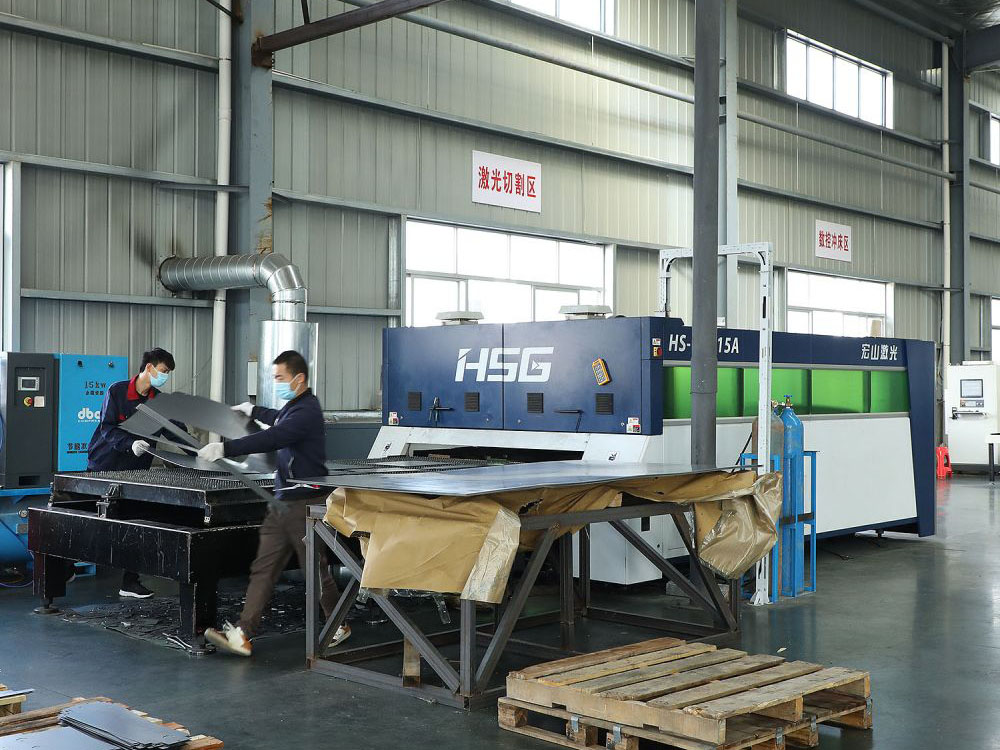
Industrial Compressor Systems for Metal Processing & CNC Workshops
Discover our comprehensive lineup of energy-saving twin-screw, variable speed PM VFD, oil-free, two-stage compressors, and precision refrigerated air treatment systems.