

Featured High-Pressure Laser Cutting Compressors
Engineered to deliver continuous, dry, oil-free compressed air at 1.6 MPa to 3.0 MPa for precision fiber laser cutting heads
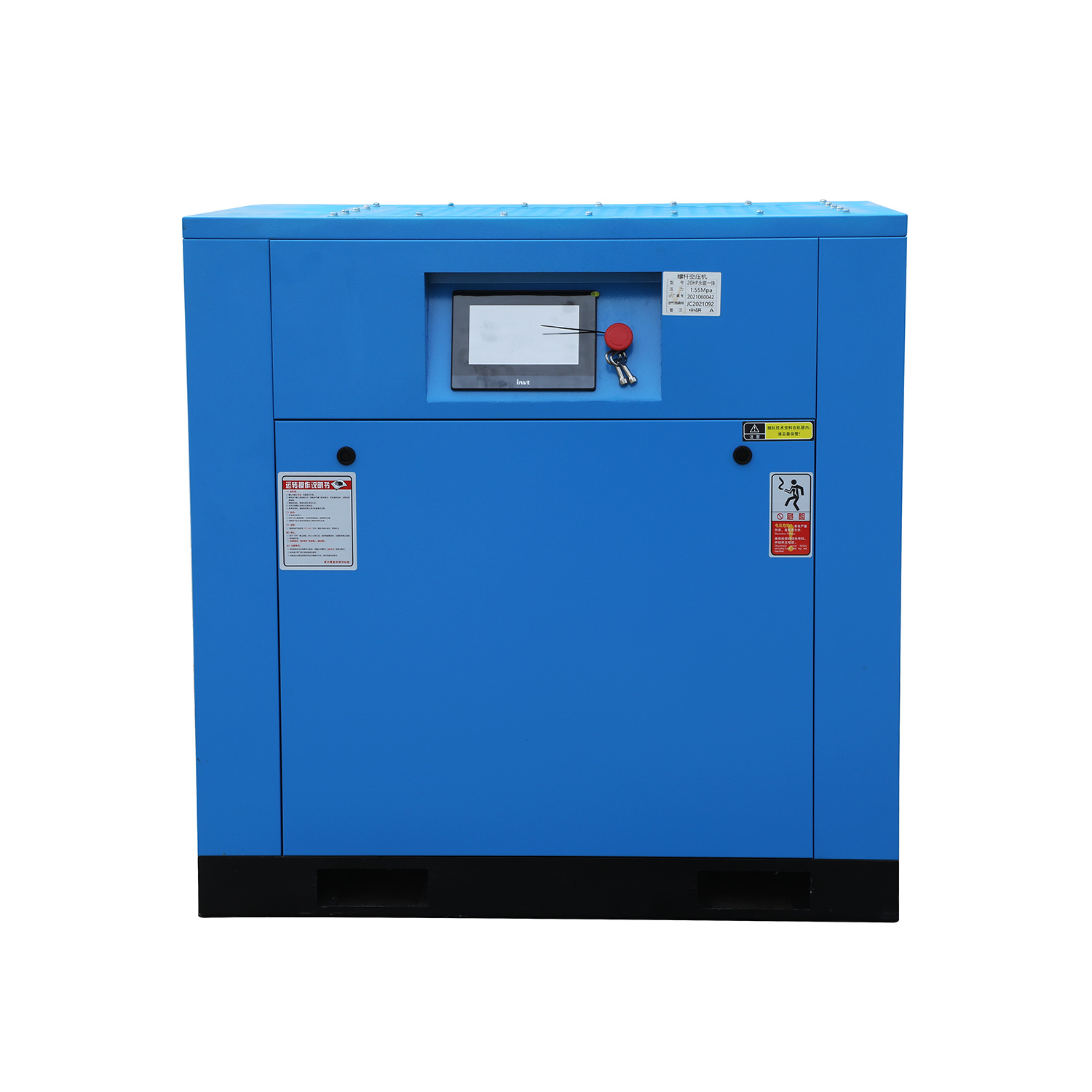
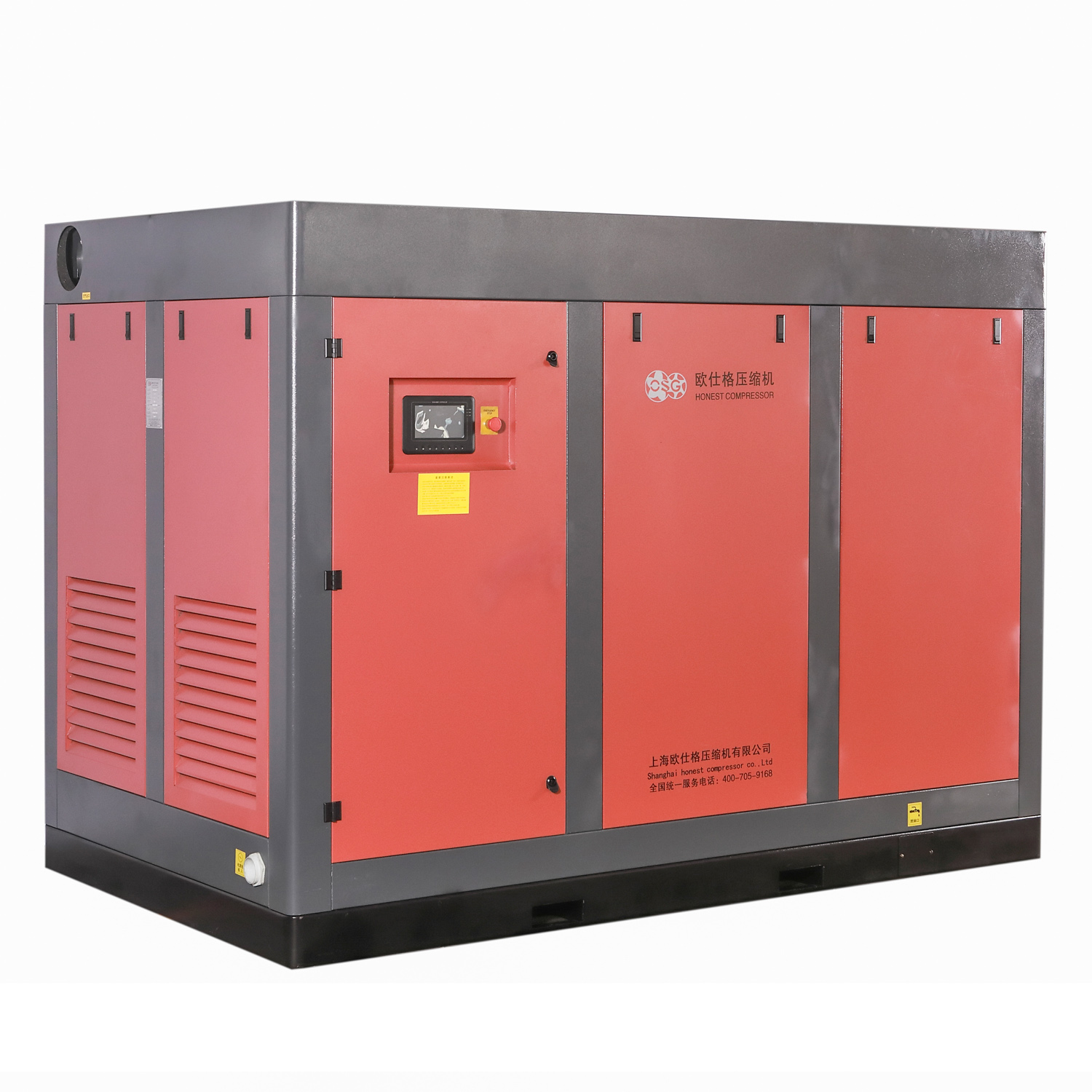

Industrial Transformation: Why High-Pressure Air is Replacing Nitrogen & Oxygen in Laser Cutting
The laser cutting sector has witnessed a seismic shift over the past decade. With the mainstream adoption of high-power fiber lasers ranging from 6kW and 12kW up to 30kW, 40kW, and even 60kW, the consumption rate of assist gases has skyrocketed. Traditionally, metal fabrication workshops relied heavily on bottled nitrogen (N2) for clean, burr-free cuts on stainless steel and aluminum, or oxygen (O2) for reactive cutting of thick carbon steel plates.
However, cryogenic liquid dewar cylinders and bulk gas storage pose severe financial and operational overheads. Gas delivery logistics, bottle rental fees, evaporation losses, and constant tank replacements can constitute over 50% to 70% of a fabrication plant's daily operating expenses. Oil-flooded rotary screw air compressors configured for laser cutting (operating at 16 bar to 30 bar / 1.6 MPa to 3.0 MPa) have emerged as the definitive industrial solution, offering autonomous, on-demand assist gas production directly on the factory floor.
By utilizing ambient compressed air (which naturally contains roughly 78% nitrogen and 21% oxygen), modern laser cutters achieve cutting speeds exceeding pure nitrogen on thin-to-medium sheet metals, while reducing total assist gas costs by an astounding 75% to 85%. A capital investment in a dedicated oil-flooded laser screw compressor system typically pays for itself within 3 to 8 months.
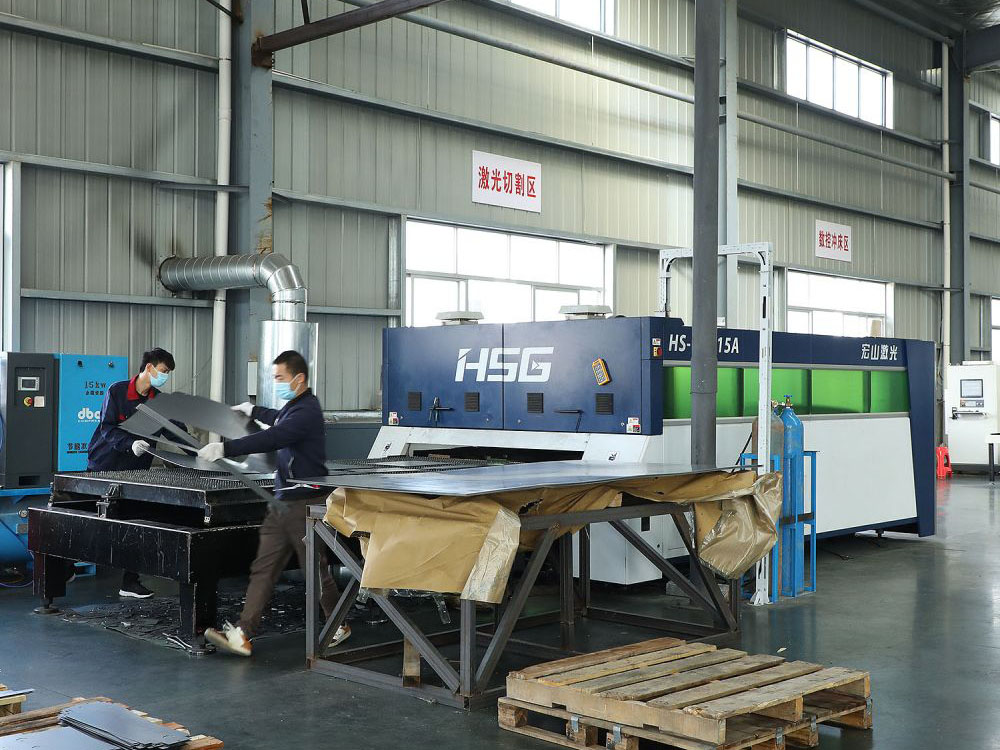
Shanghai Honest Intelligent Twin-Screw Manufacturing Facility
Engineering Architecture of Oil-Flooded Compressors in Laser Applications
Understanding how oil-injected screw rotors achieve ultra-stable high pressures while guaranteeing optical-grade air purity
Rotary Screw Thermocooling
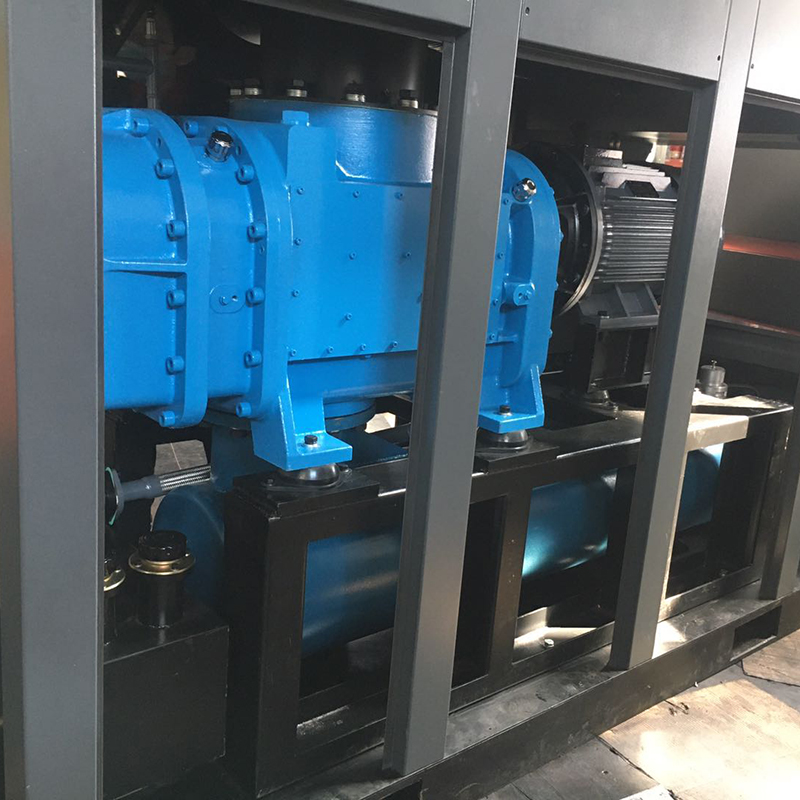
In an oil-flooded screw air compressor, high-grade synthetic compressor oil is continuously injected directly into the compression chamber between the male and female helical rotors. This fluid serves three critical thermodynamic functions: hydraulic sealing of rotor clearances, mechanical lubrication of precision roller bearings, and immediate dissipation of the intense heat generated during single-stage or two-stage high-pressure compression (up to 30 bar).
Multi-Stage Oil-Air Separation
The biggest misconception in the laser industry is that oil-flooded machines will contaminate laser lenses. In modern engineered systems, the mixture undergoes centrifugal cyclone separation, gravity settling, and passes through a micro-glass fiber coalescing separator element. This reduces airborne residual oil content down to below 1-3 ppm before entering external high-efficiency 5-stage precision filtration systems.
Deep Dew Point Control
Water vapor is the primary enemy of fiber laser optics. Our laser-specific screw systems incorporate high-efficiency refrigerated air dryers and modular desiccant adsorption units, pushing the pressure dew point (PDP) down to -20°C ~ -40°C. This eliminates any risk of condensation on collimating lenses, focusing mirrors, protective windows, and quartz cutting nozzles.
The Critical ISO 8573-1 Quality Standard for Laser Assist Gas
Fiber laser cutting heads focus high-energy photon beams onto spots measured in fractions of a millimeter. If compressed air containing trace hydrocarbons (>0.003 mg/m³) or moisture droplets is blown through the cutting nozzle at 20 bar pressure, the laser energy interacts with these contaminants. This causes thermal blooming, lens burning, focal shift, cutting burrs, and severe edge striation. Therefore, an oil-flooded compressor system tailored for laser cutting must combine:
- Stage 1 - Heavy Particulate Pre-filter (1 Micron): Captures gross atmospheric dust and mechanical wear debris.
- Stage 2 - Micro-Coalescing Oil Separator (0.01 Micron): Removes liquid oil aerosol aerosols down to 0.1 ppm.
- Stage 3 - High-Efficiency Desiccant / Cold Drying Matrix: Extracts moisture vapor down to dew point -40°C.
- Stage 4 - Ultra-Fine Polish Filter (0.01 Micron): Removes sub-micron particulates down to 0.001 ppm.
- Stage 5 - Activated Carbon Vapor Adsorber Tower: Eliminates hydrocarbon oil vapors, achieving absolute ISO 8573-1 Class 1.2.1 air purity.
Fiber Laser Power vs. Compressor Engineering Specifications
Comprehensive sizing guide for matching oil-flooded screw compressors to high-power fiber laser cutting machines
| Laser Source Power | Common Materials Cut | Optimal Pressure Range | Recommended Air Flow (FAD) | Recommended Compressor Model |
|---|---|---|---|---|
| 3kW - 6kW Fiber Laser | Carbon Steel (1-6mm), Stainless (1-4mm), Galvanized | 1.4 - 1.6 MPa (14-16 Bar) | 1.2 - 1.6 m³/min | 11kW / 15HP Integrated VSD Screw Compressor |
| 10kW - 12kW Fiber Laser | Stainless (1-10mm), Carbon Steel (1-12mm), Brass | 1.6 - 2.0 MPa (16-20 Bar) | 1.8 - 2.4 m³/min | 15kW - 22kW Permanent Magnet VFD Rotary Screw |
| 15kW - 20kW Fiber Laser | Stainless (1-16mm), Carbon Steel (1-20mm), Aluminum | 2.0 - 2.5 MPa (20-25 Bar) | 2.6 - 3.5 m³/min | 30kW - 37kW Two-Stage Energy Saving Screw Compressor |
| 30kW - 40kW Fiber Laser | Heavy Plate Stainless (up to 30mm), Carbon Steel (up to 35mm) | 2.5 - 3.0 MPa (25-30 Bar) | 3.8 - 5.2 m³/min | 45kW - 55kW High-Pressure Two-Stage PM VSD Unit |
| 60kW+ Ultra-High Power | Extra Heavy Industrial Plate, Structural Steel Profiling | 2.8 - 3.5 MPa (28-35 Bar) | 6.0 - 10.0+ m³/min | 75kW - 132kw Two-stage High Power Screw Compressor System |
*Note: Air requirements may vary based on cutting nozzle diameter (single/double nozzle: 1.2mm to 4.5mm) and simultaneous cutting table demands.
Technological Frontiers & Future Market Trends (2025–2030)
How IoT intelligence, two-stage compression physics, and integrated skid architecture are reshaping the laser cutting industry
Variable Frequency & IoT Telemetry
Modern laser cutting operations are intermittent. During loading/unloading and nesting changes, air demand drops to zero. Permanent Magnet Variable Frequency Drive (PM VFD) motors dynamically throttle rotational RPM to mirror instantaneous air consumption. Integrated with AI-driven IoT controllers, these units continuously monitor differential filter pressure, oil degradation levels, and thermal vector profiles to prevent unexpected downtime.
Two-Stage Compression Revolution
For pressures exceeding 1.6 MPa, single-stage compression experiences high volumetric leakage and elevated thermal stress. Two-stage rotary screw compressors split the compression ratio across low-pressure and high-pressure rotor pairs with inter-stage oil cooling. This reduces volumetric losses, extends bearing lifespan beyond 100,000 operational hours, and yields 15% to 25% energy savings over single-stage designs.
4-in-1 Compact Skid Packaging
Factory floor real estate is at a premium. The market has shifted aggressively toward all-in-one integrated laser cutting air compressor skids. By mounting the screw compressor, ASME/CE-certified air storage buffer tank, refrigerated dryer, and 5-stage precision filtration matrix onto a singular forklift-ready heavy chassis, installation time is slashed from days to just 30 minutes of plug-and-play connection.
In-Depth Material Processing & Application Scenarios
Evaluating edge finish, cut speed, and metallurgy across diverse industrial sectors
1. Stainless Steel & Aluminum Alloys: Clean, Bright, Burr-Free Edges
When cutting thin-to-medium stainless steel (1mm - 12mm) and aluminum alloys with high-pressure dry air (16-20 bar), the physical kinetic force of the supersonic gas jet instantly blows away molten metal from the kerf. While liquid nitrogen provides a completely non-oxidized silver cut, high-pressure compressed air creates a minuscule, microscopic oxide film that is fully weldable and paint-receptive without post-process deburring or grinding. For over 80% of commercial sheet metal enclosures, HVAC ducting, and kitchen equipment, air cutting delivers equal functional quality at 1/10th the cost.
2. Carbon Steel & Galvanized Sheet Metal: Hyper-Speed Processing
On carbon steel sheets under 6mm thickness, air cutting achieves speeds 2x to 3x faster than traditional oxygen cutting. Oxygen relies on exothermic iron combustion, which limits cutting travel speeds to avoid over-burning corners. High-pressure air leverages both mechanical melt ejection and minor oxidation, enabling rapid nesting travel speeds that vastly boost daily production throughput.
3. Heavy Structural Steel & Automotive Stamping
In automotive chassis manufacturing, agricultural equipment framing, and construction steel beam profiling, thousands of holes and slots are pierced continuously. High-pressure air assist reduces piercing time to fractions of a second, preventing slag blowback from adhering to the nozzle aperture. This significantly extends the life of laser consumables, nozzle caps, and protective lens cartridges.
4. Precision Electronic Enclosures & Cabinetry
Thin cold-rolled sheet metal (0.8mm - 2.5mm) used in server racks, power distribution cabinets, and telecommunication shelters requires high dimensional fidelity and zero thermal warping. Oil-flooded screw air compressors deliver continuous, unpulsed pneumatic pressure, ensuring that narrow contours and miniature corner radiuses are executed with micro-metric precision.
Company Profile & Manufacturing Excellence
British-Engineered Precision Twin-Screw Compressed Air Systems & Complete Laser Turnkey Solutions
Shanghai Honest Compressor Co., Ltd. is a British-owned enterprise. It was founded in early 2004. The production address is located at NO. 355 Jiajian Branch Road, Malu Town, Jiading District, Shanghai, China. It is a large-scale manufacturing enterprise specializing in the production of twin-screw air compressors in China. At the same time, it is also an important supplier of air system solutions.
We provide various types of piston air compressors (low pressure, medium pressure, high pressure, oil-free air compressors), screw air compressor systems (3KW-480KW various screw air compressors, gas separation equipment, refrigerant compressors, cold dryers, filters, ceramic membrane filtration systems) and various equipment accessories and consumables.
We fully implement strict management throughout the entire manufacturing process, strictly monitor product quality and environmental protection, and the company has passed ISO9001:2015 quality management system certification.
We pay attention to market trends in technology research and development, close to the needs of users, actively absorb the advantages of domestic and foreign brand performance structures, and integrate our own features of convenient maintenance, so that the air compressors we produce have more perfect structures, better performance, and energy saving and consumption reduction. Obviously, after the test of the National Compressor Inspection Center, the energy consumption data is superior to the national energy-saving standard, and can provide users with various series of 3kW--480kW, air-cooled and water-cooled screw air compressors with a flow rate of 0.5m³/min - 75m³/min.
There are multiple models and categories of machines for users to choose from, as well as permanent magnet variable frequency air compressors, oil-free machines, mobile air compressors, etc., and can provide a complete set of construction plans for air compressor stations with design and manufacturing, user training, and service. The ability to support and host a complete set of service items such as overhaul.
In order to facilitate the contact and communication between customers and enterprises, the company has opened a free service hotline, set up branches and dealer sales and service teams in major cities across the country, and will fully meet the various needs of users.
State-of-the-Art Rotor Grinding and Testing Center - Jiading District, Shanghai
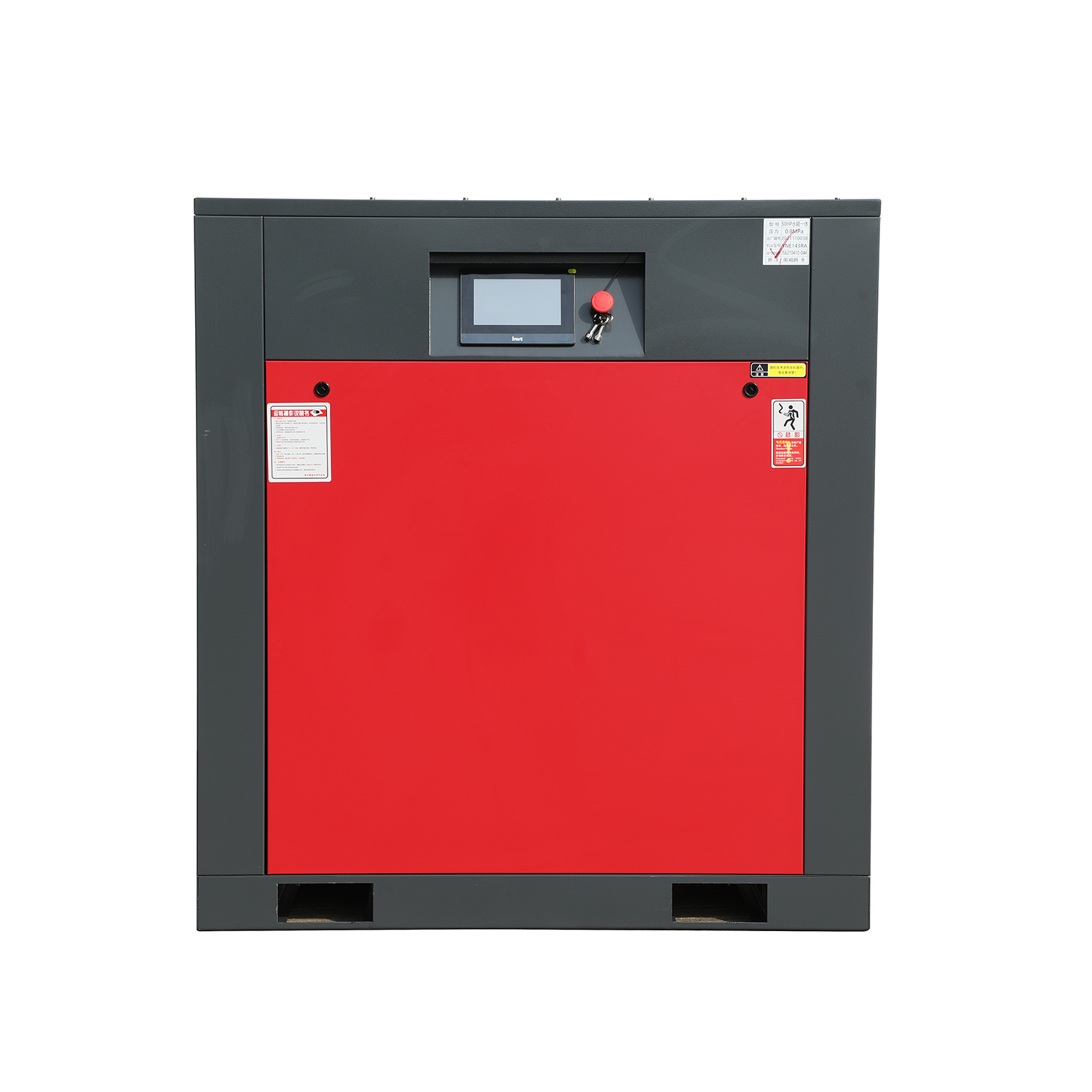
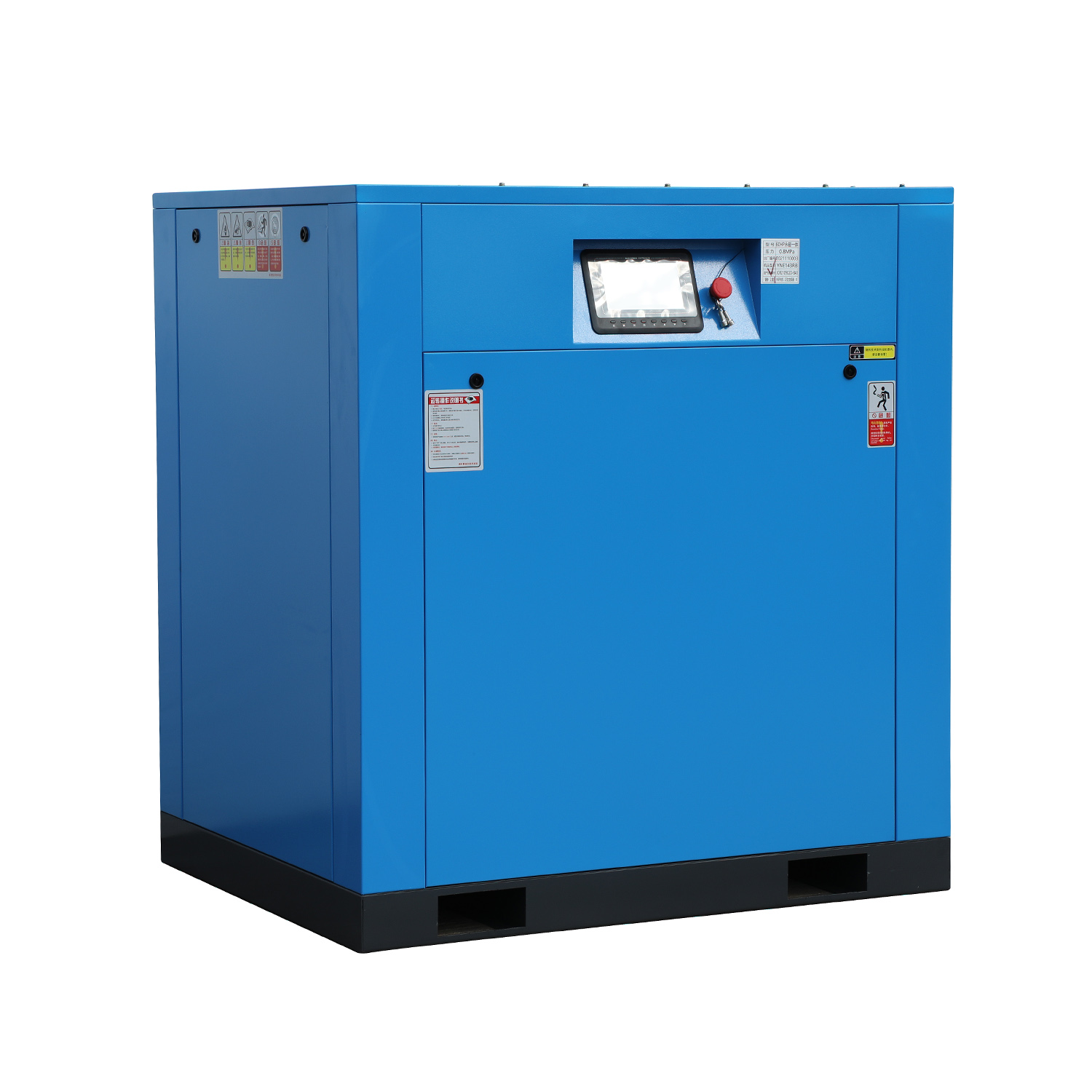
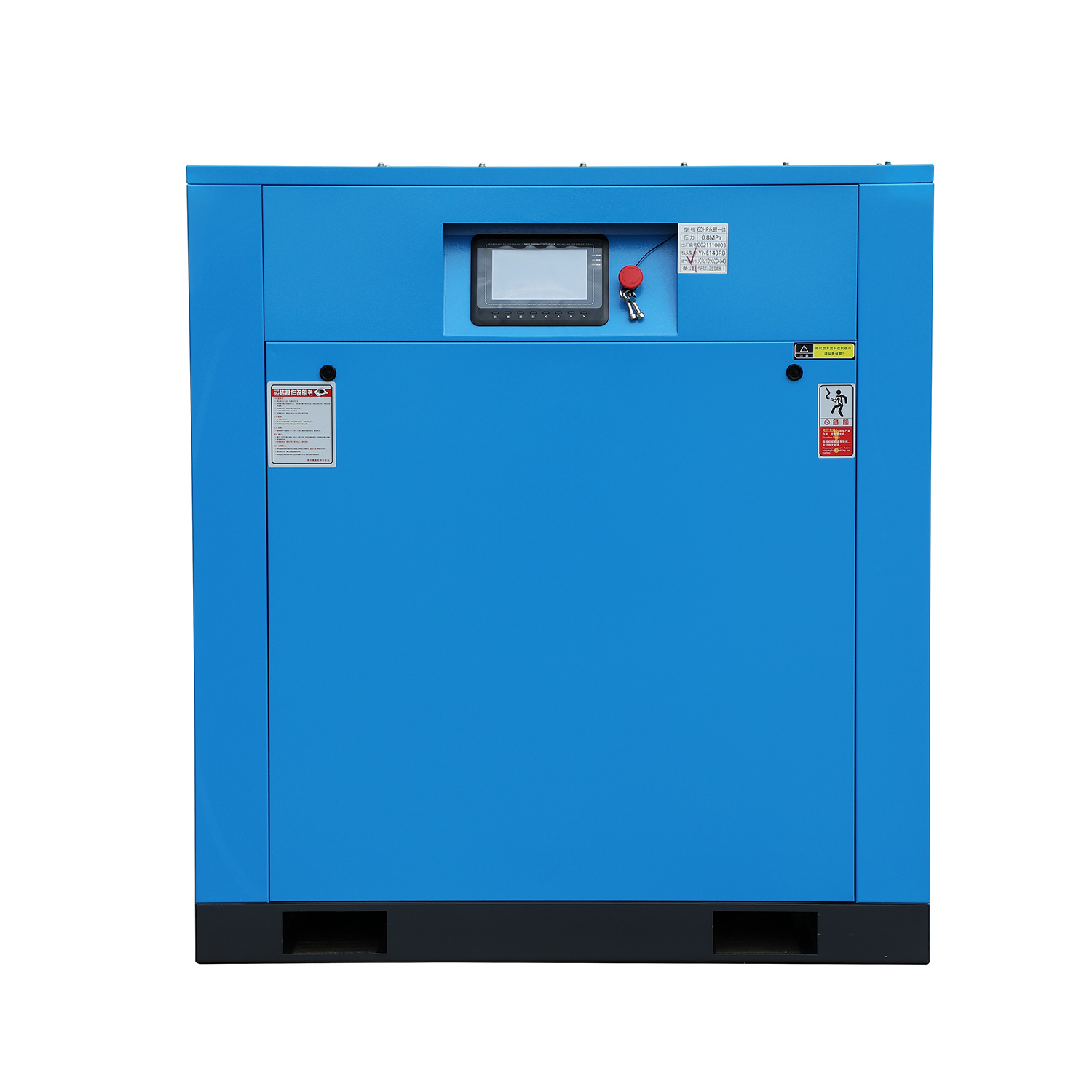
Complete Industrial & Laser Screw Compressor Product Lineup
Explore our full range of high-efficiency fixed speed, VFD permanent magnet, two-stage, and oil-free rotary screw solutions
Frequently Asked Questions: Oil-Flooded Compressors for Laser Cutting
Essential guidance for production managers, laser machine operators, and factory maintenance engineers