

Core Air Distribution Units for Pneumatic Transfer Lines
Engineered to deliver ultra-stable volumetric displacement, pulseless flow, and high operational reliability across complex material transfer manifolds.
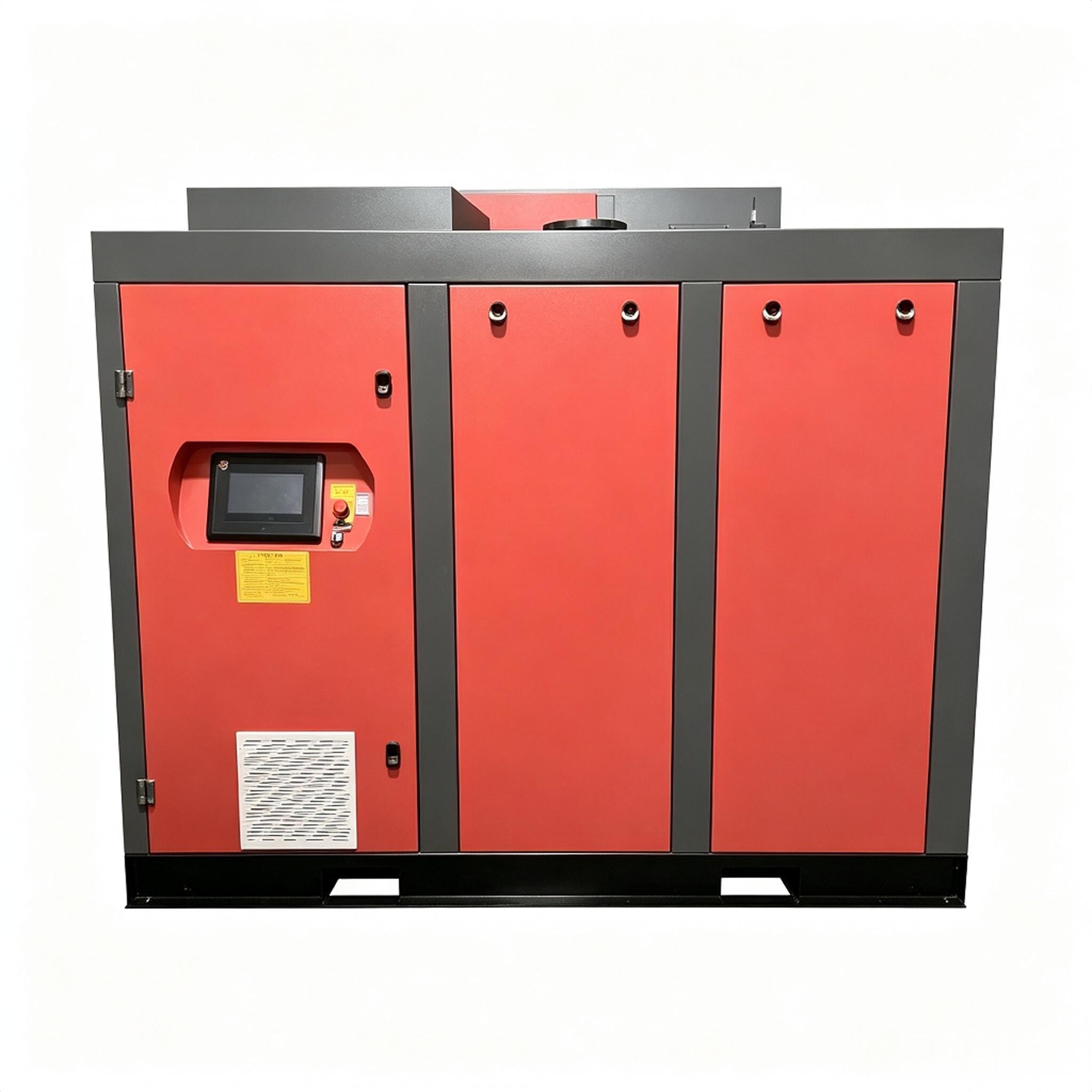
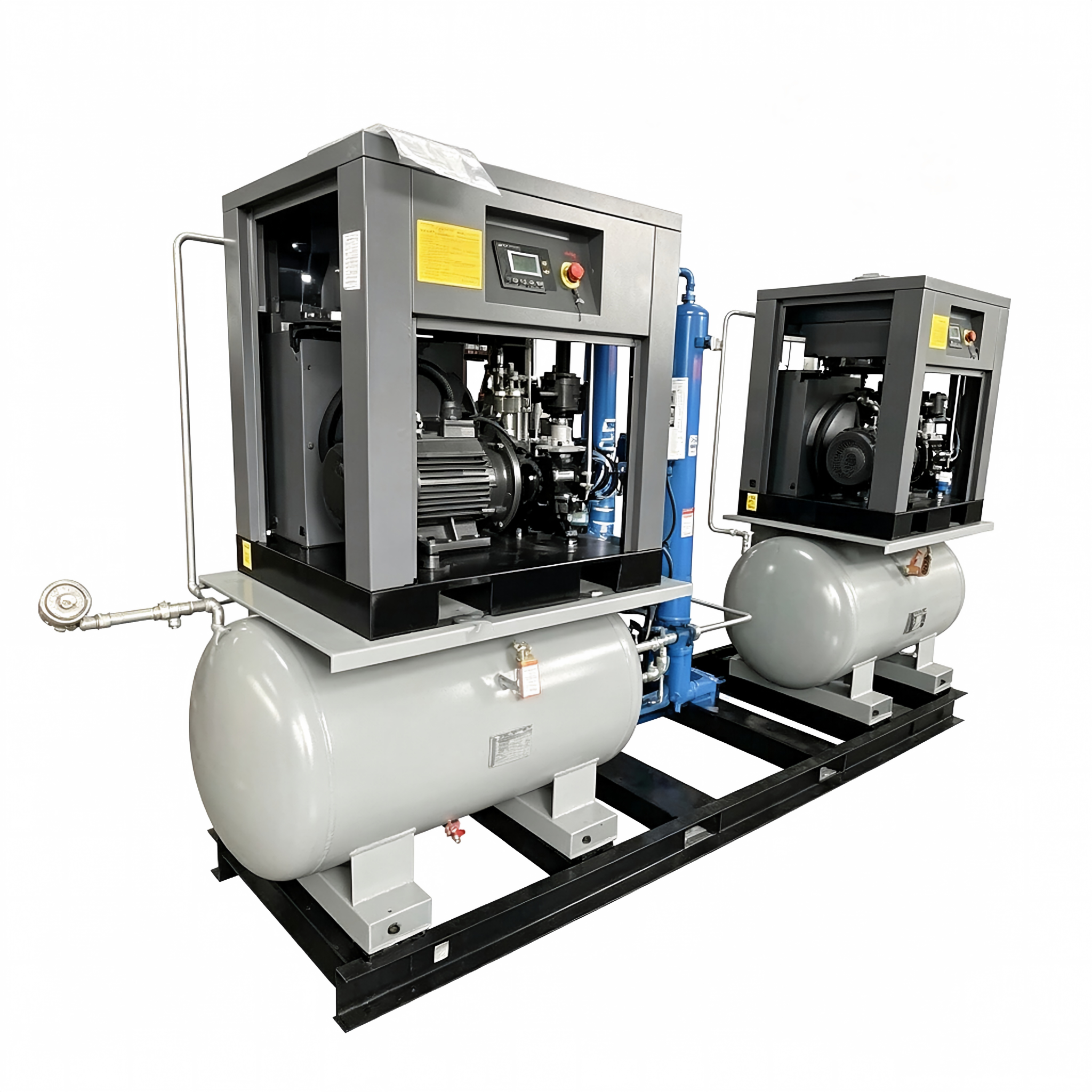
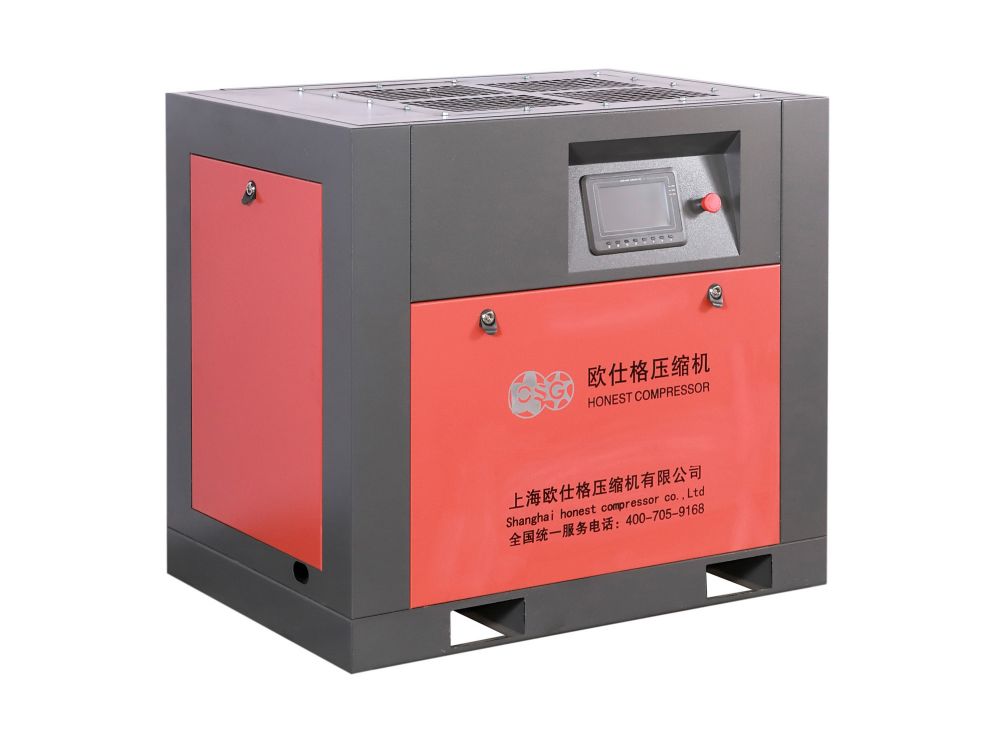
Industrial Evolution of Compressed Air Distribution in Pneumatic Conveying
In modern bulk solids handling, pneumatic conveying stands as the most versatile, hygienic, and space-efficient method for transferring powders, granules, pellets, and flakes across production facilities. At the beating heart of every pneumatic conveying system is the compressed air distribution network. The distribution system is not merely a network of delivery pipes; it is an integrated aerodynamic energy transfer framework responsible for maintaining critical particle saltation velocities, overcoming complex pipeline friction, and managing gas expansion dynamics.
Globally, the transition toward Industry 4.0, zero-emission processing, and rigorous energy management (ISO 50001) has completely redefined air compressor distribution engineering. Industrial plants no longer rely on centralized, oversized compressor banks dumping uncontrolled air down long headers. Instead, modern processing facilities deploy zoned, digitally modulated, and variable-speed air distribution architectures that balance mass flow rate ($kg/h$) precisely against solids loading ratios ($\mu = \dot{m}_{solids} / \dot{m}_{air}$).
With compressed air accounting for upwards of 70% to 80% of total electrical energy in bulk material conveying operations, optimizing the pressure generation profile, filtration train, and multi-point air distribution manifold yields substantial return on investment (ROI) through reduced specific energy consumption ($kW/m^3/min$), minimal pipeline scouring, and virtually zero pipeline pluggage.
Decentralized vs. Centralized Distribution
Pneumatic conveying facilities are increasingly migrating to hybrid distribution architectures. High-volume, low-pressure screw compressors or vacuum boosters are positioned adjacent to silo feed hoppers, eliminating excessive pressure drops and thermal losses incurred over long transmission headers.
Air Distribution Regimes: Dilute Phase vs. Dense Phase Optimization
Selecting and balancing the appropriate air distribution architecture is fundamentally dictated by bulk material friability, abrasiveness, particle density, and transfer distance.
Dilute (Lean) Phase Distribution
Characterized by high air velocities (15 to 35 m/s) and low operating pressures (typically 0.2 to 1.5 bar gauge or -0.5 bar vacuum). The air distribution system maintains continuous particle suspension in the airstream. Ideal for non-abrasive, non-fragile materials such as wheat flour, plastic resins, and chemical powders over medium distances. Requires continuous pulseless volumetric delivery from rotary screw units to prevent flow stagnation.
Dense Phase Plug Flow Distribution
Operates at low superficial velocities (1.5 to 8 m/s) but elevated distribution pressures (2.0 to 7.0 bar gauge). Bulk materials move in consolidated slugs, plugs, or continuous fluidised beds. Essential for highly abrasive materials (silica sand, fly ash, alumina) or fragile foodstuffs (breakfast cereals, spray-dried granules). The distribution network utilizes precision air injectors and booster bypass lines along the pipeline.
Vacuum Negative Pressure Networks
Employs industrial screw vacuum pumps or regenerative exhausters to pull air and material toward a central cyclone receiver. Inherently dust-free because any pipeline leakage draws ambient air inward rather than expelling hazardous powders outward. Distribution networks require balanced intake valves, atmospheric bleed-in regulators, and pulse-jet backwash filter manifolds.
| Conveying Metric | Dilute Phase Positive Pressure | Dense Phase Pressure Tank (Blow Pot) | Dilute / Medium Vacuum Suction |
|---|---|---|---|
| Typical Distribution Pressure | 0.5 bar – 2.0 bar (g) | 2.0 bar – 6.5 bar (g) | -0.2 bar to -0.65 bar (g) |
| Conveying Velocity | 16 – 32 m/s (High velocity) | 2 – 8 m/s (Low velocity) | 18 – 35 m/s (High velocity) |
| Solids Loading Ratio ($\mu$) | 1 – 15 kg product / kg air | 20 – 120+ kg product / kg air | 1 – 12 kg product / kg air |
| Optimal Compressor Architecture | Low-Pressure Twin Screw / Roots Blower | Two-Stage Screw Compressor + Buffer Tank | Oil-Injected / Dry Screw Vacuum Pump |
| Air Distribution Piping Complexity | Single continuous manifold | Multi-point bypass booster lines & fluidizing pads | Controlled bleed-in manifolds & filter receivers |
Sector-Specific Air Distribution Deployments
How dedicated air compressor distribution systems resolve high-stakes bulk handling challenges across modern process industries.
1. Food, Dairy & Pharmaceutical Powders
In infant formula, starch, sugar, and active pharmaceutical ingredient (API) transfer, air quality is paramount. Compressed air directly interfaces with consumable media. Oil aerosols or condensate cause clumping, microbial growth, and total batch rejection.
- Air Distribution Strategy: 100% Oil-free screw air compressors (Class 0 ISO 8573-1), combined with desiccant dryers achieving a -40°C pressure dew point and sterile ceramic micro-filtration.
- Line Regulation: Low-friction, electropolished sanitary manifolds with sanitary check valves prevent back-siphoning of fine organic powders into the compressed air supply headers.
2. Lithium Battery Cathode & Anode Active Materials
Lithium iron phosphate (LFP), nickel-cobalt-manganese (NCM), and synthetic graphite are exceptionally sensitive to moisture, metallic cross-contamination, and particle shearing.
- Air Distribution Strategy: Closed-loop nitrogen or ultra-dry compressed air distribution (dew point below -60°C) with water-lubricated or dry oil-free variable speed compressors.
- Velocity Control: Stepped pipeline distribution diameters accommodate gas expansion, maintaining uniform low velocity and preventing attrition of delicate crystal morphologies.
3. Cement, Fly Ash & Heavy Mineral Processing
Heavy industries require conveying abrasive powders over extended horizontal and vertical routes exceeding 500 meters to storage silos and batch mixers.
- Air Distribution Strategy: Heavy-duty, high-pressure screw compressors (up to 400 kW) combined with high-capacity surge receivers, fluidization nozzles, and automated blow-pot valves.
- Thermal Management: Direct utilization of compressor heat-of-compression or integrated aftercoolers ensures conveying air remains above ambient dew point to eliminate hygroscopic cement hydration in lines.
4. Plastics, Masterbatch & Resin Pellets
High-speed friction in polymer pellet transfer induces friction-melting, resulting in "streamers", "angel hair", and fines that clog downstream injection molding machinery.
- Air Distribution Strategy: Closed-loop VSD screw vacuum and medium-pressure distribution stations that dynamically tune air velocity below polymer glass transition temperatures ($T_g$).
- Smart Flow Distribution: Multi-branch proportional air distributors automatically balance volumetric flow rate across multiple extruders simultaneously.
Thermodynamic Sizing and Air Distribution Network Design
Mathematical precision in air compressor sizing prevents pipeline choking, reduces specific power consumption, and protects downstream valves.
1. Gas Expansion and Velocity Profiling
As compressed air travels along a pneumatic conveying line, friction causes a continuous decrease in static pressure. According to Boyle's Law ($P_1 V_1 = P_2 V_2$), this pressure drop causes the conveying gas to expand, leading to significant acceleration of both air and product toward the discharge point.
If the inlet velocity is set at 18 m/s at 2.0 bar (g), and the line exhausts to atmospheric pressure (0 bar g), the terminal exit velocity will surge past 50 m/s if pipe diameter remains uniform! Such extreme velocities induce catastrophic pipe elbow wear and massive product degradation. Advanced compressor distribution architecture employs stepped-diameter distribution piping and automated air dosing bleed valves to keep velocities strictly within optimal hydrodynamic boundaries.
2. Moisture Management & Dew Point Selection
Moisture is the primary cause of product caking, bridge formation, and fungal contamination in pneumatic conveying lines. The air distribution station must integrate refrigerated or adsorption desiccant air dryers tailored to operational ambient temperature differentials.
Air Distribution Station Best Practices
- Direct Air Flow Control: Utilize mass flow meters (thermal dispersion or Coriolis) rather than relying on standard pressure transducer readings alone.
- Ring-Main Headers: Install looped compressed air distribution headers around the processing plant to ensure equalized pressure across all take-off drops.
- Air Receiver Buffer Volume: Sized at a minimum of $V = 1.5 \times Q \times (P_{charge} / P_{min})$ to dampen pressure oscillations generated during rotary valve cycle indexing.
- Ceramic Membrane & Fine Filtration: Multi-stage pre-filters (1 µm), coalescing filters (0.01 µm), and activated carbon towers guarantee hydrocarbon residual $\le 0.003 mg/m^3$.
- Synchronized VSD Tracking: Compressors equipped with permanent magnet frequency inverters match real-time mass flow需求 when feeding hoppers engage or disengage.
Company Profile: Shanghai Honest Compressor Co., Ltd.
Shanghai Honest Compressor Co., Ltd. is a British-owned enterprise founded in early 2004. The production address is located at NO. 355 Jiajian Branch Road, Malu Town, Jiading District, Shanghai, China. It is a large-scale manufacturing enterprise specializing in the production of twin-screw air compressors in China. At the same time, it is also an important supplier of air system solutions.
We provide various types of piston air compressors (low pressure, medium pressure, high pressure, oil-free air compressors), screw air compressor systems (3KW-480KW various screw air compressors, gas separation equipment, refrigerant compressors, cold dryers, filters, ceramic membrane filtration systems) and various equipment accessories and consumables.
We fully implement strict management throughout the entire manufacturing process, strictly monitor product quality and environmental protection, and the company has passed the ISO9001:2015 quality management system certification.
We pay attention to market trends in technology research and development, close to the needs of users, actively absorb the advantages of domestic and foreign brand performance structures, and integrate our own features of convenient maintenance, so that the air compressors we produce have more perfect structures, better performance, and energy saving and consumption reduction. Obviously, after testing by the National Compressor Inspection Center, the energy consumption data is superior to national energy-saving standards, providing users with various series of 3kW–480kW, air-cooled and water-cooled screw air compressors with a flow rate of 0.5m³/min–75m³/min.
Multiple models and categories are available including permanent magnet variable frequency air compressors, oil-free machines, and mobile air compressors, with the ability to provide a complete set of construction plans for air compressor stations with design and manufacturing, user training, and complete service support such as overhauls.
To facilitate contact and communication between customers and enterprises, we have opened our free service hotline and set up branches and dealer sales and service teams in major cities across the country to fully meet user needs.
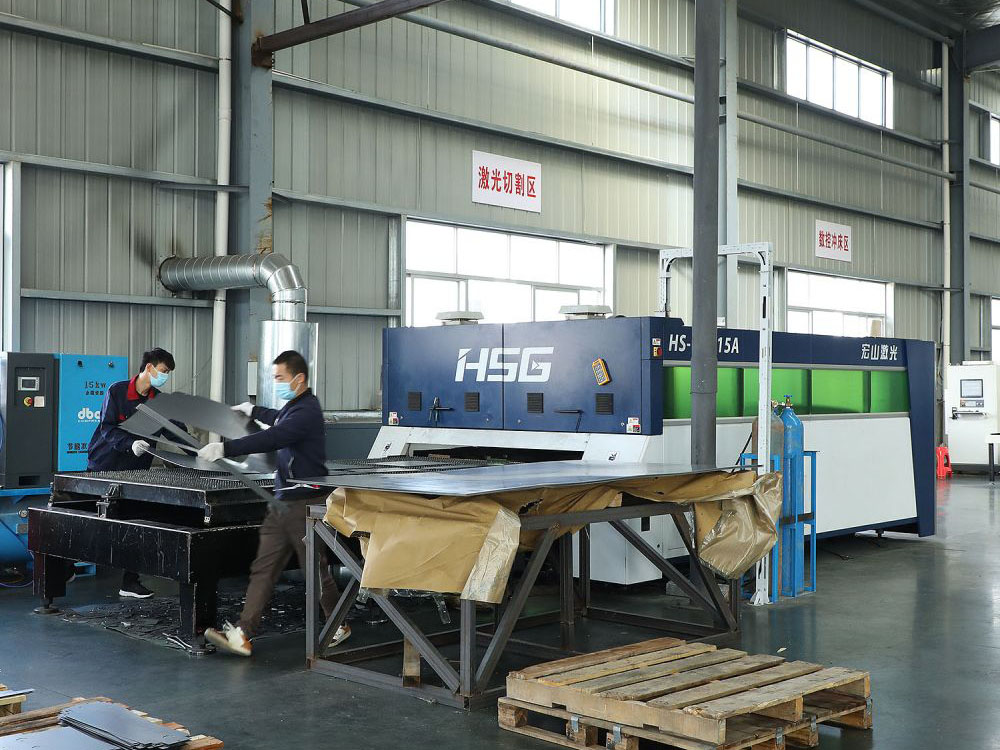
End-to-End Pneumatic Conveying Engineering
From computational CFD modeling of air delivery loops to custom modular compressor skids, air receiver tanks, and cold refrigeration drying systems, Honest Compressor provides turnkey air generation and distribution for industrial processing plants worldwide.
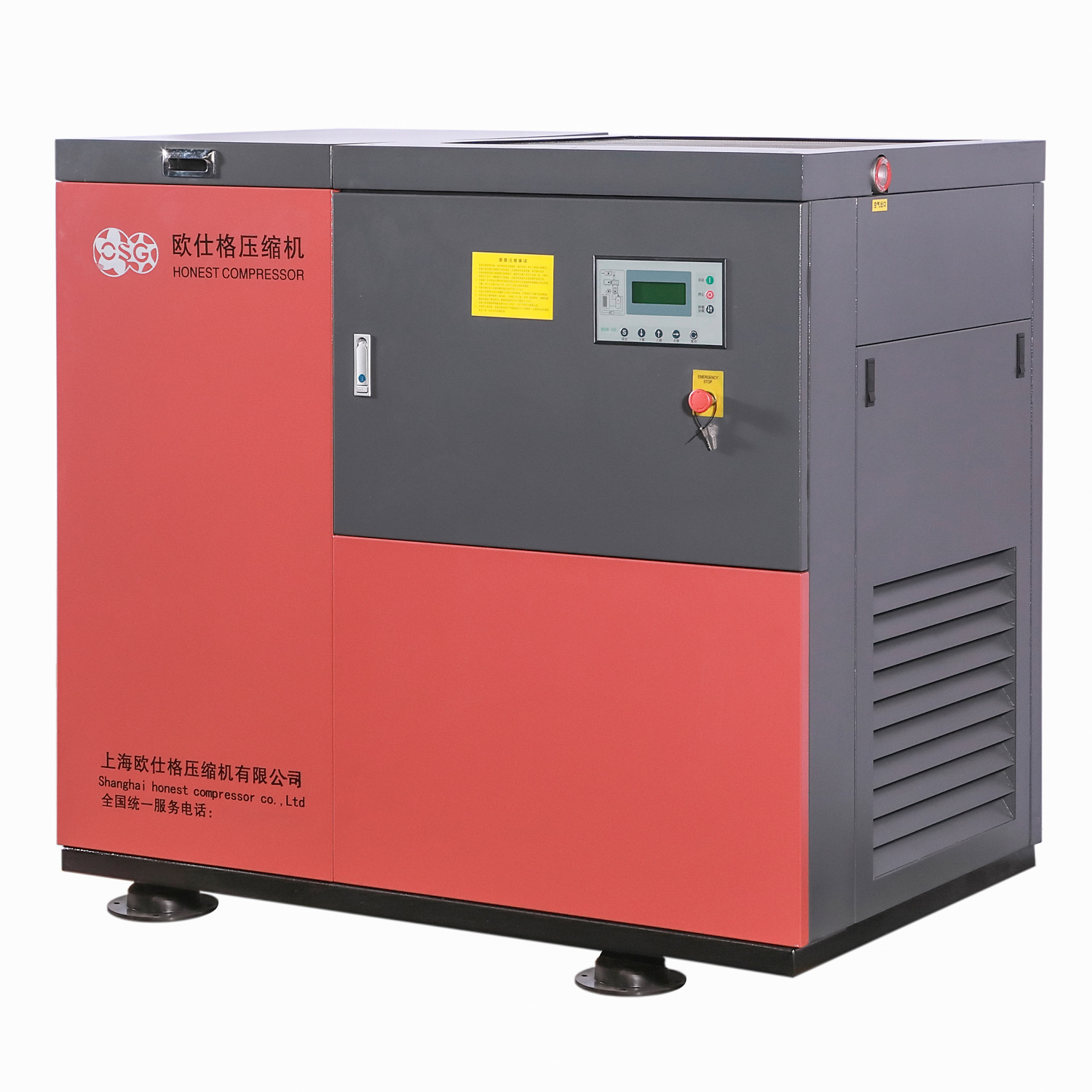
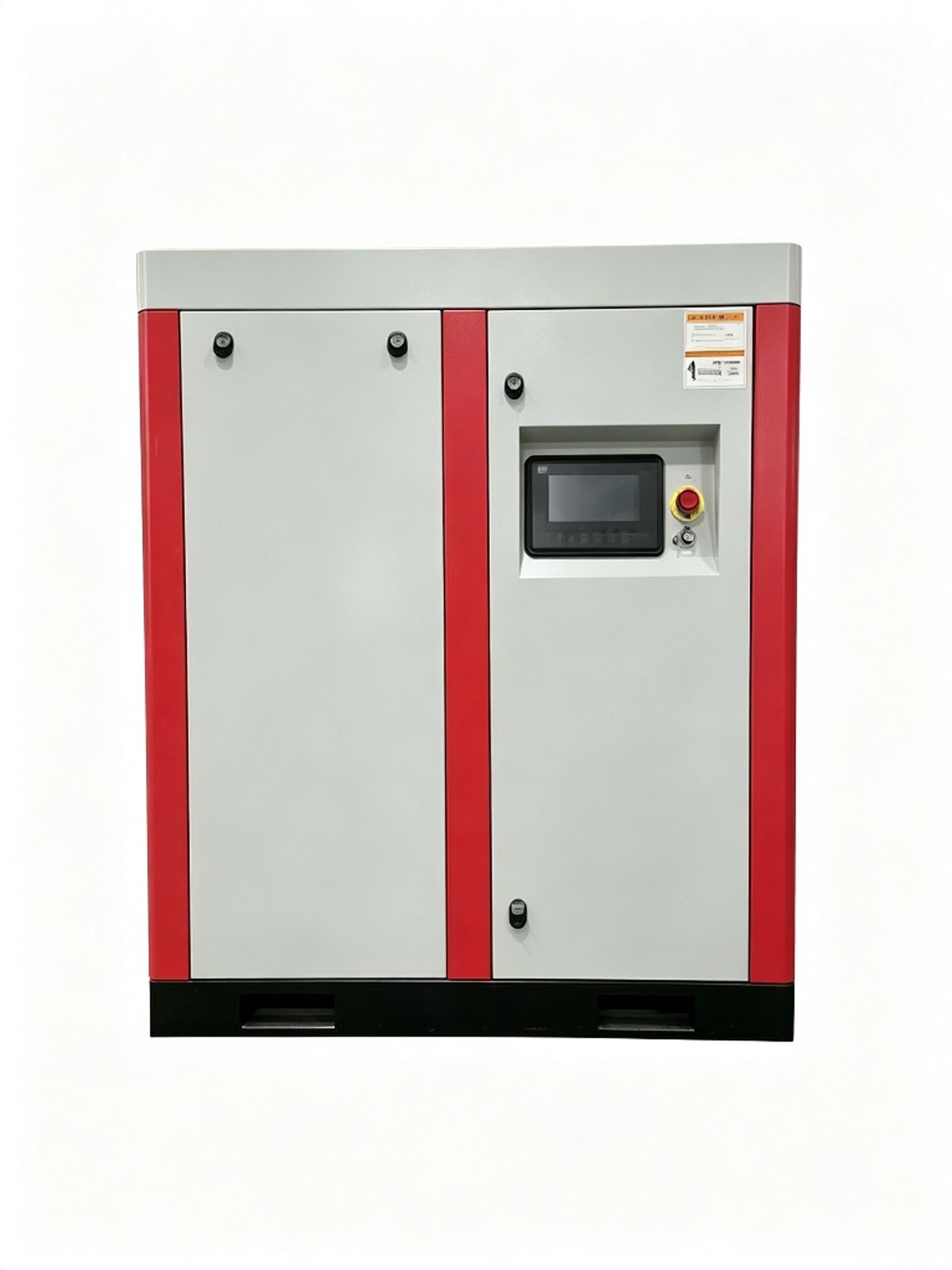
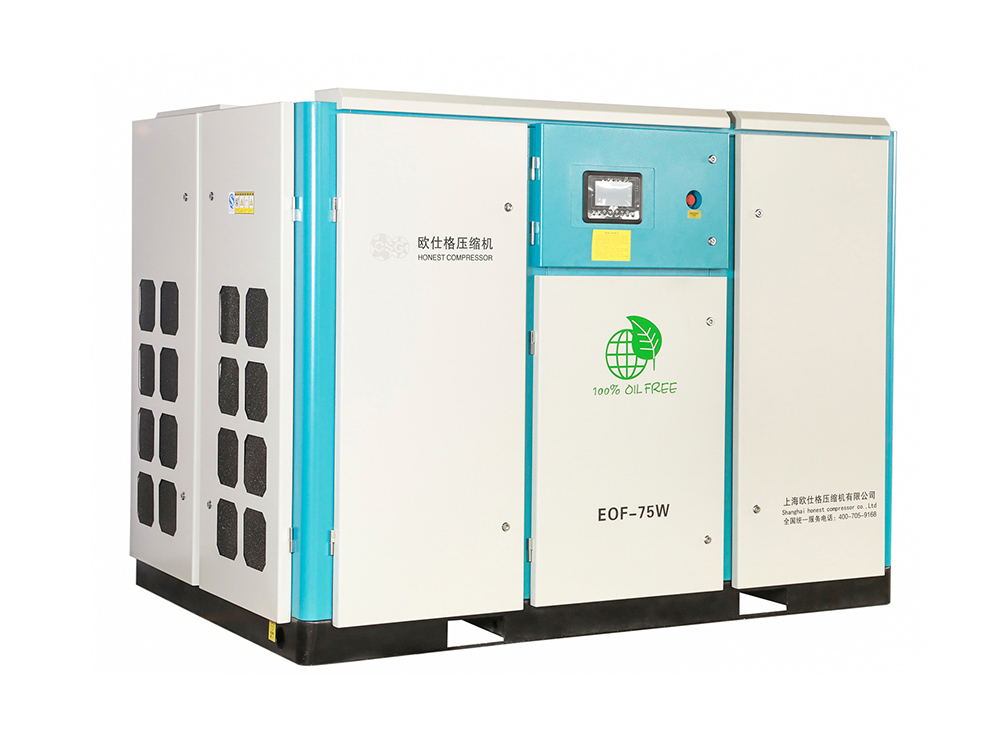
Industrial Compressors & Vacuum Pumps for Bulk Material Transfer
Explore our complete range of twin-screw compressors, oil-free machines, variable-frequency drives, and high-vacuum pumps engineered for pneumatic conveying excellence.

Frequently Asked Questions: Air Distribution for Pneumatic Transfer
Expert recommendations for designing, sizing, and operating high-efficiency pneumatic conveying air networks.
What causes line pluggage (choking) in pneumatic conveying systems?
Line pluggage occurs when the superficial air velocity drops below the material's critical saltation velocity (in horizontal lines) or choking velocity (in vertical lines). This is commonly caused by improper air distribution sizing, rapid air leakage through worn rotary airlocks, excessive condensation in the air line, or inadequate compressor delivery pressure under peak solid mass flow rate.
Why is oil-free compressed air mandatory for food and polymer conveying?
Oil mist present in conventional compressed air adheres to particulate surfaces, causing clumping, microbial multiplication, off-flavors in foodstuffs, and cross-linking or discoloration in plastic compounding. Utilizing ISO 8573-1 Class 0 certified oil-free water-lubricated or dry screw compressors eliminates any possibility of batch contamination.
How does a Variable Speed Drive (VSD) compressor lower conveying operational costs?
Pneumatic conveying demands fluctuate based on hopper fill levels, line routing, and product density changes. Fixed-speed units consume significant energy during unloaded or low-throughput periods. A permanent magnet VSD compressor modulates rotational speed in milliseconds to match precise volumetric air requirements, lowering specific energy consumption by up to 35%.
How do you prevent excessive pipe wear during abrasive powder transfer?
Pipeline abrasive wear is proportional to the cube or fourth power of particle impact velocity ($Wear \propto V^{3.5}$). Transitioning from dilute phase to dense phase low-velocity plug flow (using 2.0–6.0 bar air distribution with booster injectors) slashes particle kinetic energy, prolonging pipe bend service life by over 500%.